My Heart Belongs to a Football Player
A Designer’s First Look: Charm with Clear Intent
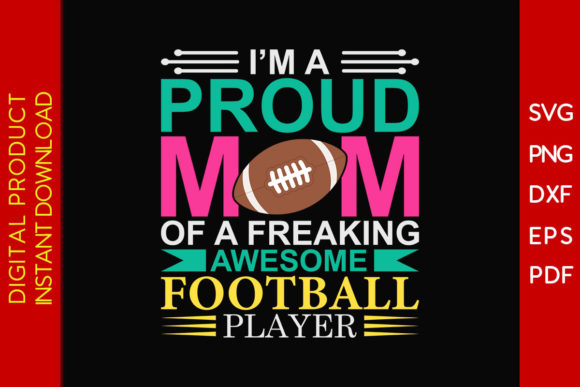
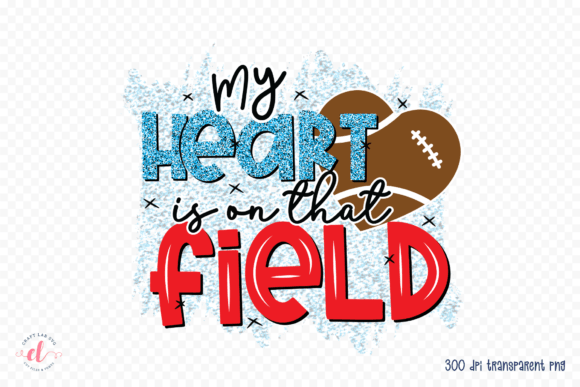
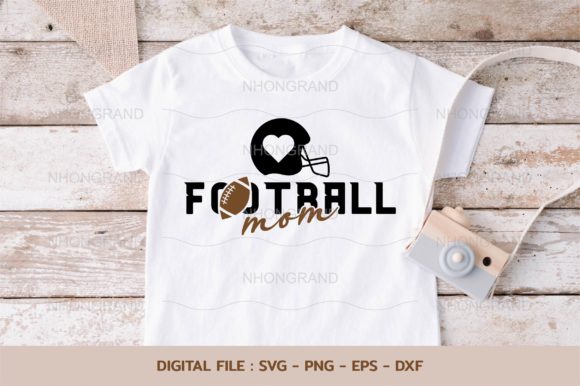
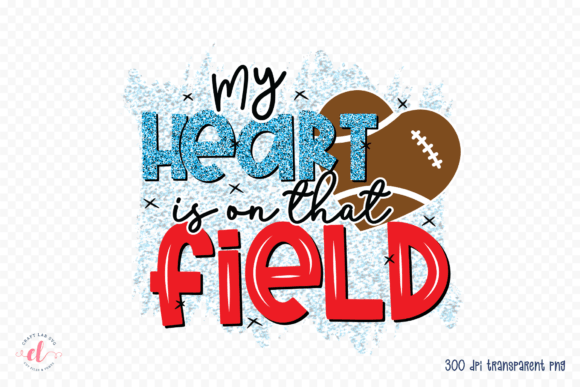
When I opened My Heart Belongs to a Football Player, what struck me wasn’t just the theme—it was the quiet confidence in its composition. The heart motif anchors the design, soft but intentional; the football graphic isn’t tucked away or stylized beyond recognition—it’s present, grounded, and unmistakably athletic. The quote flows naturally around it, not forced into curves that would fight embroidery tension. As a designer who’s stitched hundreds of quote-based pieces for boutiques and Etsy sellers, I appreciate how this layout avoids overcrowding while still feeling full of personality. It reads warmly—not cutesy, not sarcastic, not overly sentimental—but sincere. That tone matters when you’re stitching something meant to hang on a nursery wall, sit on a coffee table as a pillow cover, or wrap up as a holiday gift for a coach’s spouse.
Where This Design Truly Shines in Real Projects
I recently prepped My Heart Belongs to a Football Player for a custom embroidered tote bag—cotton canvas, medium-weight, destined for a high school football mom’s game-day kit. It worked beautifully: the heart held clean satin stitch definition, the football retained crisp edges, and the lettering stayed legible even at 3.5 inches wide. That’s the sweet spot for this design: mid-size applications where clarity and charm coexist. It translates well to sweatshirt embroidery (especially on crewnecks), baby onesies (paired with gentle stabilizer), tea towels (where the heart adds subtle focal weight), and even aprons for sports-themed bakeries or tailgating cafes. As a digital embroidery file, it also holds up in printable mockups—its clean lines and transparent background make it easy to drop into lifestyle scenes for Etsy listings or Instagram posts. For craft business owners, that versatility means one design can support multiple product lines without looking repetitive.
What to Watch For—Because Real Fabric Isn’t Perfect
This isn’t a “set-and-forget” machine embroidery design. Its charm comes with small but meaningful constraints. The lettering, while legible at scale, tightens noticeably below 2.75 inches—so skip it for tiny cap fronts or baby hat brims unless you’re willing to simplify or rework spacing manually. On textured fabrics like terry cloth or heavy fleece, the fill stitch areas (especially inside the heart) may need extra stabilizer to prevent puckering. And on dark fabric? Test thread colors carefully—the original graphics suggest warm tones, but navy or charcoal backgrounds demand higher-contrast threads (think cream instead of beige, burgundy instead of maroon) to keep the quote readable after stitching. Also, avoid stretching it across curved surfaces like baseball caps without digitizing adjustments—the football shape doesn’t flex gracefully over domes.
How It Shapes Perception—Beyond Just Stitches
Customers don’t buy stitches—they buy meaning, care, and intention. When My Heart Belongs to a Football Player lands on a personalized gift—say, a linen pillow cover for a wedding shower or a cotton apron for a coach’s birthday—it signals thoughtfulness. The design feels handmade *because* it’s balanced, not busy. That builds trust: buyers sense you didn’t grab the first football graphic off a free site. For Etsy sellers and small shop owners, that perception lifts perceived value. It also supports brand consistency—if your shop leans into heartfelt, sporty, or family-focused themes, this fits seamlessly alongside other curated design assets. Just remember: its warmth depends on execution. A poorly stabilized version on thin jersey will read as amateurish, no matter how lovely the original PNG looks on screen.
Practical Notes Every Embroidery Designer Should Run Through
- Always test on scrap fabric first—especially if using it on blends or knits common in custom apparel.
- Check stitch density before scaling down; dense fill areas can overwhelm lightweight fabrics.
- Confirm hoop size compatibility—the design’s natural width suggests it fits comfortably in a 4x4 hoop, but verify before batching orders.
- Inspect small details in both black-and-white and color mockups—some contrast gets lost digitally but shows up sharply in thread.
- Compare light vs. dark fabric backgrounds visually and physically—what reads softly on white may vanish on black without thread adjustment.
- Use appropriate stabilizer: tear-away for stable wovens, cut-away for knits, and optional topping for napped fabrics like fleece.
- Review licensing terms before selling finished products or bundling it as part of a commercial embroidery collection—this is a Graphics asset intended for Crafts use, but commercial rights aren’t implied by default.
Final Thought: A Thoughtful Addition, Not a Standalone Hero
My Heart Belongs to a Football Player won’t replace your go-to monogram or team logo—but it fills a specific, valuable niche: heartfelt, gender-neutral, sport-adjacent sentiment that feels personal without being private. It works because it’s designed *for* real use, not just display. Whether you’re stitching for a client, prepping for a craft fair, or building out your Etsy digital embroidery file shop, this design earns its place when paired with attention to fabric, thread, and context. It’s not flashy. It’s focused. And in the world of handmade product and custom apparel, that focus is exactly what makes it quietly essential.