Game Day - Football
A Designer’s First Look: Bold, Playful, and Ready for the Field
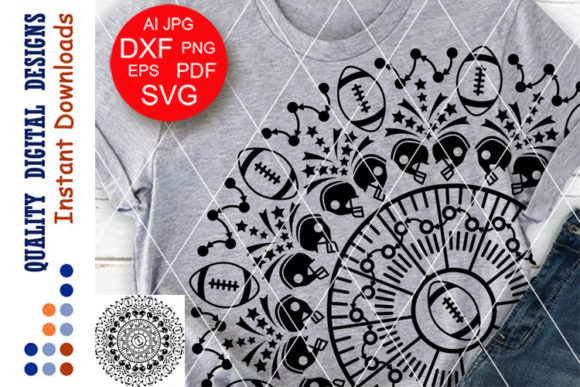
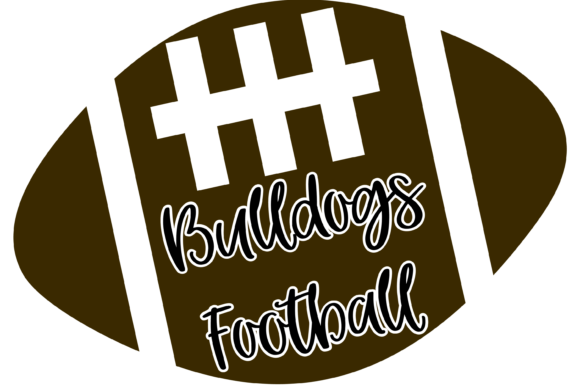
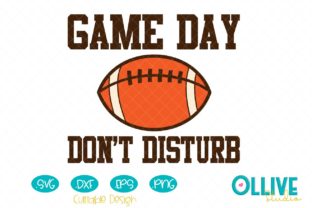
Opening the Game Day - Football .zip file, I immediately scanned the SVG and PNG previews—not as a shopper, but as someone who’s stitched hundreds of sports-themed designs onto everything from toddler onesies to boutique aprons. What stands out first is its confident silhouette: a stylized football centered in clean, open negative space, with subtle stitching lines and a slight tilt that implies motion. It’s not cartoonish, not overly detailed, and definitely not minimalist to the point of abstraction. It lands right where most craft businesses need it—recognizable at a glance, versatile across age groups, and balanced enough to hold its own on both sweatshirt fronts and baby bibs.
Where This Design Naturally Shines
I recently prepped a batch of custom embroidered tote bags for a local youth league fundraiser—and Game Day - Football was my top contender. Why? Because it reads clearly at 3.5 inches wide, holds shape without dense fill stitches, and doesn’t rely on tiny gradients or fine outlines that vanish under thread. On a natural canvas tote, it stitched cleanly with medium-weight cutaway stabilizer and standard 40-weight polyester thread. The design’s generous spacing between elements meant no thread nesting in corners, and the outer contour used a smooth satin stitch that wrapped cleanly around curves—no puckering on the bag’s slightly textured surface.
It also worked surprisingly well on a lightweight cotton apron—something many designers overlook. The football motif stayed legible even when scaled down to 2.75 inches, and because the design avoids tight interior details (no laces rendered as individual stitches, no micro-shading), it didn’t turn muddy or “blobby” on softer fabric. For Etsy sellers listing personalized baby embroidery, this is a quiet win: it’s spirited but not loud, gender-neutral by default, and scales gracefully from onesie chest placements to quilt block corners.
Real-World Considerations Before You Stitch
That said, Game Day - Football isn’t magic—it responds honestly to your setup. On stretchy jersey t-shirts? Use tear-away + light cutaway stabilizer underneath, and avoid hooping too tightly. On dark fabric, test your thread contrast first: a navy football on black twill can disappear unless you choose a bright white or metallic silver for the outline. And if you’re planning caps or curved surfaces, check whether the design’s width fits comfortably within your hoop’s usable area—some versions of football motifs widen unpredictably at the ends, and this one’s clean shape helps, but still needs verification.
I also ran it through a quick black-and-white mockup test. Why? Because many buyers preview digital embroidery files in grayscale before purchasing—and Game Day - Football holds up. Its weight distribution, clear silhouette, and intentional negative space translate well even without color cues. That builds trust for Etsy sellers using printable mockups in listings, and reassures customers browsing small shop product photos online.
What to Inspect Closely Before Production
- Stitch density: Lighter than many sports logos I’ve seen—no heavy underlay or over-stuffing in the fill areas. That’s good for breathable fabrics and faster sew-outs, but double-check if your machine handles low-density fills consistently.
- Small details: No tiny text or lacework, so it’s forgiving on lower-end machines—but still inspect the tip of the football for any stray anchor points or overlapping vectors in the SVG source.
- Fabric texture: Works best on medium-weave cotton, poly-cotton blends, and stable knits. Avoid ultra-thin batiste or heavily napped fleece unless you add extra stabilizer and reduce top tension.
- Wash durability: Since it relies mostly on satin and fill stitches (not delicate running-stitch accents), it should hold up well on frequently laundered items like kitchen towels or kids’ tees—assuming proper stabilization and secure thread trimming.
How It Elevates Your Handmade Product—and Your Reputation
As a designer who consults with craft businesses, I pay attention to how a single embroidery file affects perceived value. Game Day - Football doesn’t scream “mass-produced.” Its proportions feel intentional, its line weight consistent, and its spacing generous—not cramped or auto-traced. When stitched on a premium organic cotton pillow cover or a heavyweight unisex sweatshirt, it reads as considered, not generic. That matters for boutique branding and gift buyers who associate clean execution with care and professionalism.
For small shop owners creating holiday embroidery bundles (“Team Spirit Holiday Set”), this design slots in naturally alongside snowflake or bowtie motifs—no jarring style clash. And for wedding or baby shower gifts? It adds warmth and personality without leaning into cliché. One client used it on a set of linen tea towels for a groom’s weekend—stitched in charcoal gray thread on oatmeal linen—and guests kept asking where she’d sourced “that cool, simple football.” That kind of organic recognition is gold for handmade product marketing.
Practical Next Steps for Embroidery Designers & Sellers
Before adding Game Day - Football to your next project—or listing it as part of a digital embroidery bundle—take these five minutes seriously:
- Test it on scrap fabric matching your intended product (e.g., terry cloth for towels, fleece for blankets).
- Check thread color contrast on both light and dark backgrounds using a simple photo editor.
- Verify hoop size compatibility—especially if you work with smaller hoops for baby items or patches.
- Review the SVG vector paths for smooth curves and clean joins (critical if you plan to resize significantly).
- Confirm licensing terms: Is it cleared for commercial embroidery use? Can you sell finished products made with it? Can you include it in your own digital embroidery collections?
Remember: A great embroidery file isn’t just about what’s included—it’s about how thoughtfully it supports your workflow, your materials, and your customers’ expectations. Game Day - Football earns its place in a working designer’s library because it balances clarity with character, simplicity with spirit, and versatility with intention. Whether you're stitching for fun, for family, or for your craft business—it’s ready to play.